
You are here:
1e499d81-1428-40a2-8498-43fc56d6c17c
产品高清图 (1)
产品高清图
b9b46cd5-e8a4-4107-9d85-f42b51f5b9a8
1e499d81-1428-40a2-8498-43fc56d6c17c
产品高清图 (1)
产品高清图
b9b46cd5-e8a4-4107-9d85-f42b51f5b9a8

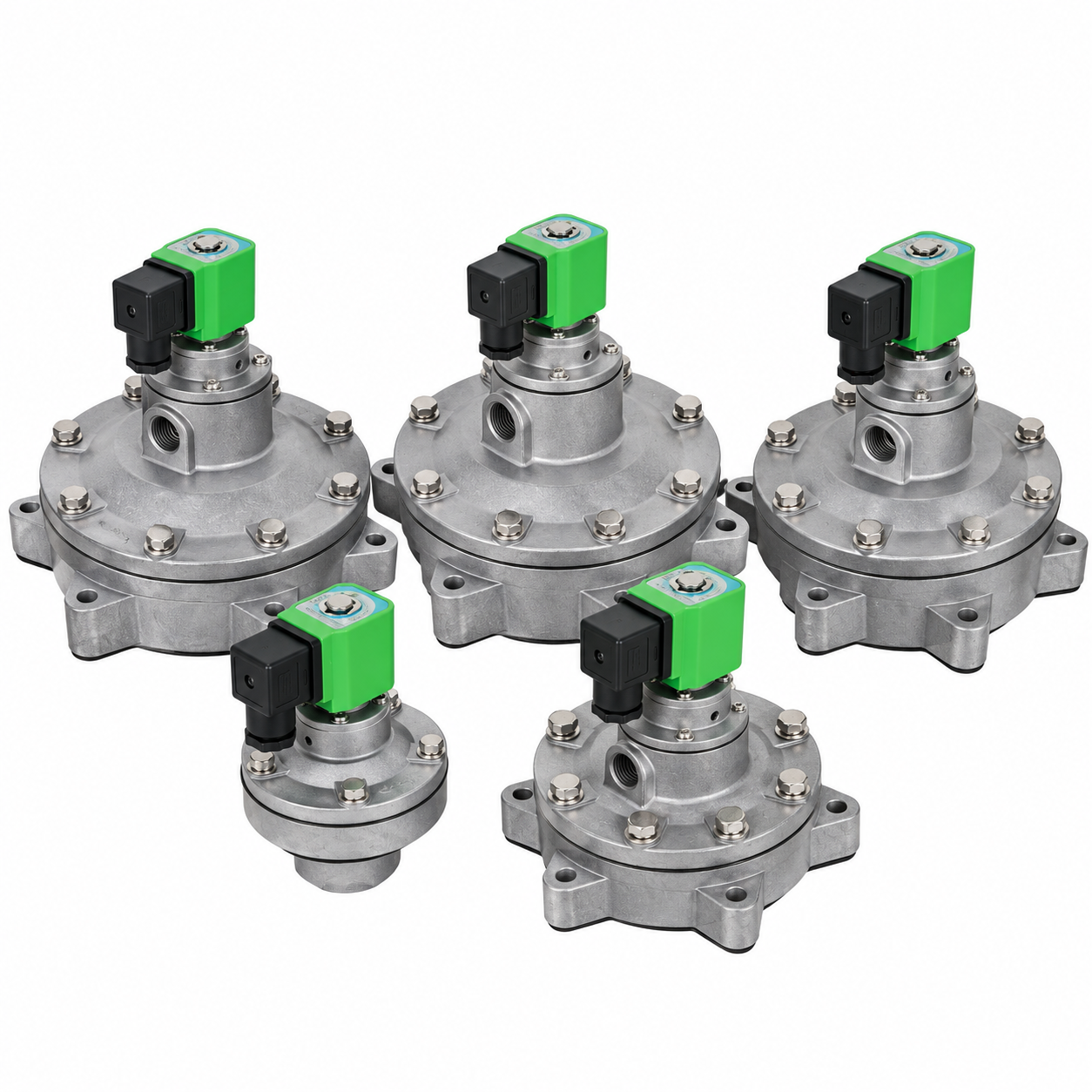
Solenoid Pulse Valve

Submerged Pulse Solenoid Valve

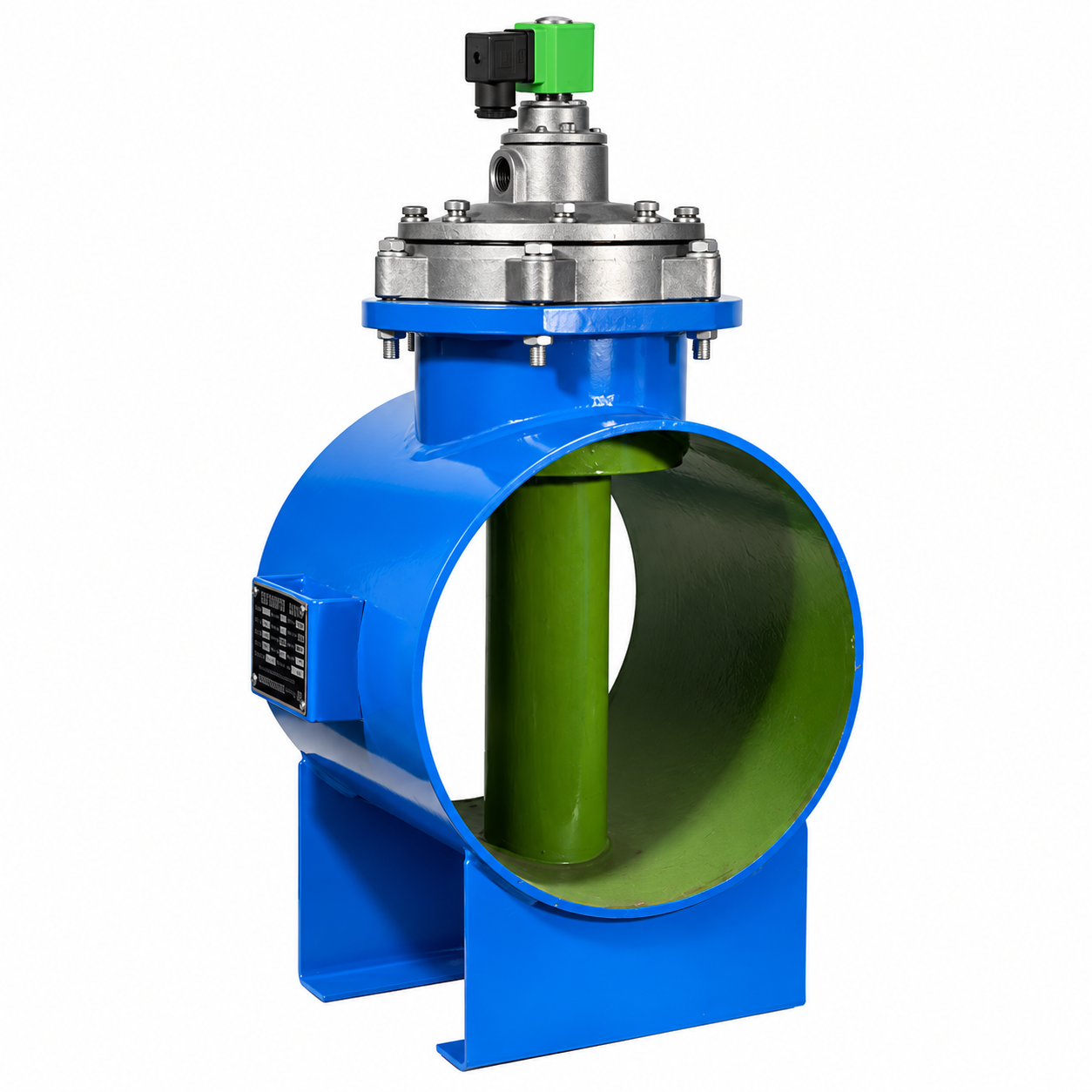
Submerged Pulse Solenoid Valve features an immersion-type design installed directly inside the air reservoir. Its short and direct airflow path helps reduce resistance and pressure loss while delivering a powerful cleaning pulse. Suitable for baghouse and cartridge dust collectors, it supports efficient and reliable automated filter cleaning.

Working medium

Clean air (<55°C / 131°F) Body High-grade ADC12 aluminum alloy

Working pressure

0.1 ~ 0.7 MPa (test pressure 0.1 ~ 0.8 MPa) Diaphragm

NBR / Fluorine rubber

Working power & current

DC24V (1A) / AC110V (0.46A) / AC220V (0.23A) Pilot armature 430FR special stainless steel
Temperature — Normal (Class 1) -25°C ~ 100°C (-13°F ~ 212°F) Spring

304 stainless steel

Temperature — High (Class 2)

-25°C ~ 230°C (-13°F ~ 446°F) Fasteners 304 stainless steel
Temperature — Low (Class 3) -40°C ~ 85°C (-40°F ~ 185°F) Protection level

IP65

Air humidity ≤ 85% Diaphragm life

One million pulses or 5 years

1、 Features & Functions

1.High Flow with Low Pressure Loss
The valve is installed directly inside the air reservoir, creating a shorter and more direct airflow path. This helps reduce flow resistance and pressure loss, delivering a stronger pulse of compressed air for more effective filter cleaning.

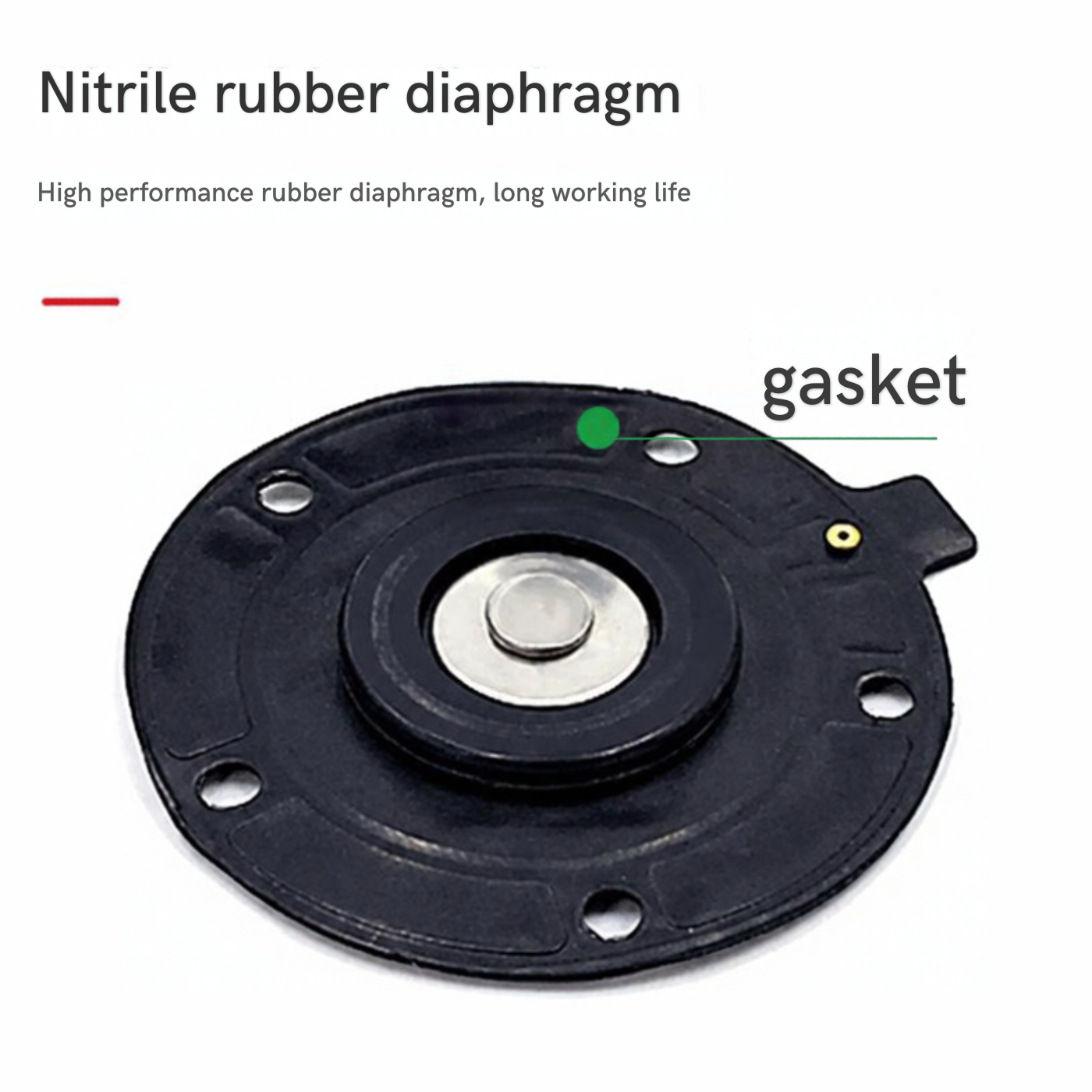
2. High-Quality Diaphragm

The diaphragm is available with a high-quality Chinese-made diaphragm as the standard option, as well as a German ContiTech diaphragm to meet different requirements. In actual testing, the Chinese high-quality diaphragm currently offers a service life almost comparable to the German ContiTech diaphragm under normal operating conditions. For customers who prefer a branded diaphragm, the ContiTech diaphragm is also available.

3. Fast Pulse Opening and Closing

The solenoid valve pilot armature is made of high-quality 430FR material, which offers good machinability and stable soft-magnetic properties. It is a specialized material for solenoid valve pilot components and enables the valve to rapidly open and close the compressed-air passage. This allows a high-intensity pulse of compressed air to be released within a short period, helping the compressed air quickly enter the blowpipe and act on the filter cartridges or filter bags, thereby improving pulse cleaning efficiency.

4. High-Quality Coils

  • Made with H-class high-temperature-resistant enameled copper wire (heat resistance rating: 180°C), these coils offer enhanced heat resistance and electrical reliability.
  • The optimal number of windings and precise winding process help create a stable magnetic field, providing reliable electromagnetic driving force.
  • The BMC coil molding process enhances the overall structural strength and protection of the coil. Combined with a well-designed seal, it achieves an IP65 protection rating, reducing the impact of dust and water spray on internal electrical components and extending service life.

5. Multiple Specifications

The input voltage is available in various options, including 24V / 110V / 220V, along with multiple port sizes to suit different operating conditions.

6. Comprehensive After-Sales Support

Even the highest-quality solenoid valve cannot completely avoid potential failures during use. Our solenoid valves come with a two-year warranty, and we provide technical support at the earliest opportunity. We also keep commonly used replacement components in stock to provide timely after-sales support.

2、Optional Function

Explosion-Proof Version

An explosion-proof version is available for applications requiring explosion-protection measures.


3、Typical Applications

The Submerged Pulse Solenoid Valve is designed for industrial dust collection and filtration equipment using compressed-air pulse cleaning, including:

  • Cartridge Dust Collectors
  • Baghouse Dust Collectors
  • Powder Coating Systems
  • Powder Recovery Systems
  • Sandblasting and Abrasive Blasting Equipment
  • Woodworking Dust Collection Systems
  • Cement and Building Materials Industries
  • Chemical and Powder Processing Equipment
  • Mineral and Granular Material Processing
  • General Industrial Dust Collection Systems
Model S. Diaphragm Diameter B. Diaphragm Diameter Flow Coefficient Kv/Cv Blowing Area (m²) Inlet/Outlet (Port Size)(mm)
SYD-Y-25 — Φ96 mm 29 / 34 8–10 G1″ (Φ25)
SYD-Y-40S Φ66 mm Φ112 mm 47 / 56 12–16 G1½″ (Φ40)
SYD-Y-50S Φ66 mm Φ160 mm 62 / 72 18–28 Φ60 (50)
SYD-Y-62S Φ66 mm Φ188 mm 137 / 153 27–38 Φ75 (62)
SYD-Y-76S Φ66 mm Φ202 mm 168 / 194 37–65 Φ89 (76)
SYD-Y-90S Φ66 mm Φ204 mm 242 / 283 55–80 Φ102 (90)
SYD-Y-102S Φ66 mm Φ255 mm 268 / 313 70–90 Φ114 (102)


Common Problems & Troubleshooting

Operating Stage

Problem Possible Cause

Troubleshooting / Corrective Action

Installation & Commissioning

Some valves do not open properly, while others operate normally 1. Insufficient compressed-air pressure or air leakage

2. Input voltage is below the rated value

3. Pulse duration is set too short

1. Check the air supply pressure and air circuit for leakage

2. Check and restore the correct supply voltage

3. Properly increase the pulse duration on the PLC or controller

The valve does not close after the power is switched off The inlet and outlet connections may be reversed, especially on right-angle pulse valves Check the inlet and outlet direction according to the valve markings and reinstall the valve correctly
The air reservoir cannot maintain pressure and continuous air leakage occurs For submerged valves, leakage from one valve installed in the same air chamber may cause continuous pressure loss Check the O-ring and sealing condition between the valve and air reservoir. Check the connection tightness and replace the O-ring if necessary
Some valves cannot close completely and continue to leak air 1. Dust, debris, or foreign particles on the diaphragm

2. Diaphragm incorrectly installed or damaged

3. Pilot components are not operating properly

1. Remove and clean the diaphragm

2. Check the diaphragm for damage and correct installation

3. Inspect the pilot components and replace damaged parts if necessary

One valve does not operate while the other valves work normally 1. Coil wiring problem

2. Damaged coil

3. Electromagnetic interference from nearby high-frequency or high-power electrical equipment

1. Check the coil and wiring

2. Replace the damaged coil

3. Move the controller away from high-frequency equipment or apply appropriate electrical shielding

The valve closes slowly or the pulse is weak The diaphragm bleed hole or pilot passage may be blocked Check and clean the diaphragm bleed hole and related pilot passages to ensure smooth airflow

Normal Operation

The valve continuously leaks and cannot close completely 1. Dust or debris on the diaphragm or armature

2. Diaphragm is damaged or worn

3. Armature or pilot components are stuck

1. Clean the diaphragm and pilot components

2. Inspect the diaphragm and replace it if necessary

3. Check the armature for sticking and replace components if required

The coil overheats or burns out 1. Excessive energizing time

2. Abnormal supply voltage

3. Excessively high ambient temperature

1. Check the controller and energizing time

2. Confirm that the supply voltage matches the coil rating

3. Improve heat dissipation or select a coil suitable for the operating environment

Voltage is present, but the valve does not operate The diaphragm may be damaged, the pilot hole may be blocked, or the pilot component may be stuck Check the diaphragm, pilot hole, and armature. Clean or replace damaged components
The valve leaks or fails to open properly at low temperatures The ambient temperature may be below the valve’s specified operating range, affecting diaphragm or sealing performance Confirm that the operating temperature is within the specified range. Select suitable diaphragm and sealing materials for low-temperature applications if necessary
The diaphragm cracks after several months of operation 1. Operating pressure or pulse frequency is too high

2. Operating temperature is too high

3. Compressed air contains oil, water, or corrosive contaminants

1. Reduce operating pressure or pulse frequency according to the product requirements

2. Select a diaphragm material suitable for high-temperature conditions

3. Improve compressed-air quality and use corrosion-resistant components when required

1、What are the features of Submerged Pulse Solenoid Valve?

1. High Flow with Low Pressure Loss
The submerged design places the valve directly inside the air reservoir, creating a shorter and more direct airflow path. This helps reduce flow resistance and pressure loss while delivering a stronger pulse of compressed air for effective filter cleaning.

2. Fast Response and Powerful Cleaning Pulse
The submerged structure allows compressed air to be released rapidly through a large flow passage, generating a short and powerful cleaning pulse that helps effectively remove accumulated dust from filter bags or cartridges.

2、What Determines the Service Life of a Good Pulse Solenoid Valve?

The service life of a pulse solenoid valve is influenced by several key factors:

1. Pilot Core Material
The 430FR soft-magnetic stainless-steel pilot core provides stable soft-magnetic properties and low residual magnetism after power is removed, helping reduce the risk of sticking and incomplete return. The material and magnetic characteristics of the pilot assembly are important factors in reliable solenoid operation.

2. Diaphragm Material
The diaphragm is one of the key wear components in a pulse valve. We offer NBR (nitrile rubber) for conventional operating conditions and FKM (fluoroelastomer) for applications requiring greater resistance to temperature or certain oil-containing environments. The appropriate diaphragm material should be selected according to the actual operating conditions.

3. Spring Quality
A high-quality stainless-steel return spring helps maintain stable restoring force during repeated valve operation. Proper spring selection and material quality contribute to reliable opening and closing over repeated cleaning cycles.

4. Operating Conditions
Compressed-air cleanliness, air-pressure stability, ambient temperature, dust exposure, and pulse frequency all affect valve service life. Clean and dry compressed air is especially important, as moisture, oil, and contaminants can contribute to sticking, corrosion, or premature wear.

Our pulse solenoid valves are available with 430FR soft-magnetic stainless-steel pilot cores, NBR/FKM diaphragms, and high-quality return springs. Under normal operating conditions, maintaining clean and dry compressed air is an important part of supporting reliable valve operation.

3、What Information Should You Confirm When Purchasing a Pulse Solenoid Valve?

When purchasing a pulse solenoid valve, we recommend confirming two main aspects: system compatibility and component configuration.

1. Compatibility

Confirm:
Input / Coil Voltage
Connection Type
Port Size
Operating Pressure
Valve Configuration

The valve should match the dust collector’s air reservoir, blow pipe, control system, and installation requirements.

2. Component Configuration

Pay particular attention to:
Diaphragm Material
NBR for conventional applications; FKM for applications requiring higher temperature resistance or compatibility with certain oil-containing compressed-air conditions.
Pilot Core Material
430FR soft-magnetic material is an important option for applications where stable magnetic performance and reliable valve reset are required.

4、How Can You Verify the Quality of a Pulse Solenoid Valve When Purchasing from China?

Based on our experience in the industry, two component details are particularly useful when comparing suppliers:

1. Confirm the Pilot Core Material

Ask the supplier whether the pilot core is made of 430FR soft-magnetic stainless steel.

430FR is specifically developed for magnetic applications and can provide suitable magnetic properties for solenoid components. Confirming the actual material specification helps distinguish the component configuration rather than relying only on external appearance or general quality claims.

2. Confirm Whether a German ContiTech Diaphragm Is Available

Ask whether the supplier can provide the valve with a German ContiTech diaphragm as an optional configuration.

Offering a specified branded diaphragm demonstrates that the supplier can provide different component configurations according to customer requirements. For customers who have specific brand or material requirements, this option provides additional flexibility.

5、Can I replace the coil or diaphragm without removing the entire valve?

Yes. The valve adopts a maintenance-friendly structural design. The coil is fixed by a nut. The internal diaphragm and other key parts can be accessed after removing the valve cover.
The coil, diaphragm and related wearing parts can be inspected and replaced while the valve body remains connected to the manifold and blowpipe. There is no need to dismount the whole valve, simplifying maintenance and cutting equipment downtime.
Before actual maintenance, cut off power supply and compressed air supply, and follow the product maintenance instructions.

6、How does this valve help extend filter bag service life?

It reduces dust accumulation and excessive pressure difference on filter bags via stable and effective pulse cleaning.
The valve releases compressed air quickly to generate pulse airflow, creating instantaneous reverse vibration on filter bags to efficiently strip dust cake attached to the filter media. This allows air to pass through filter bags more easily and maintains low & stable pressure difference.
Reasonable cleaning frequency avoids unnecessary frequent blowing, reduces mechanical stress on filter bags, and helps prolong filter bag service cycle.

1、Important Notes

1、Ensure Clean and Dry Compressed Air
Make sure the compressed-air supply is clean and dry to reduce the impact of moisture and contaminants on the diaphragm, pilot components, and internal valve components. Clean and dry compressed air is important for reliable pulse valve operation.

2、Select the Correct Configuration for Special Environments
For special operating environments, select the appropriate valve according to the actual model’s temperature range, protection rating, certification requirements, and other applicable conditions.

2、 Installation Requirements

1、Correct Air Connection
Connect the inlet and outlet ports according to the airflow direction marked on the valve body and the product installation instructions, ensuring that compressed air can enter the pulse cleaning system properly.

2、Keep the Air Circuit Clean
Before installation, clean the inside of the air reservoir and piping to remove dust, rust, metal particles, and other contaminants. This helps prevent foreign matter from entering the pulse valve and affecting the normal operation of the diaphragm and pilot components.

3、Correct Solenoid Coil Installation and Wiring
Electrical wiring should be carried out according to the rated coil voltage and product wiring requirements. Make sure the supply voltage matches the coil specification to prevent coil damage or abnormal valve operation.

3、Daily Operation & Maintenance

1、If insufficient blow pressure, abnormal pulse operation, or persistent air leaks occur, promptly inspect the diaphragm, pilot assembly, and related seals.

2、After prolonged operation, periodically inspect internal wear parts based on actual operating conditions, and replace or repair components as necessary.

4、Complementary Products

The Submerged Pulse Solenoid Valve is commonly used together with the following products:

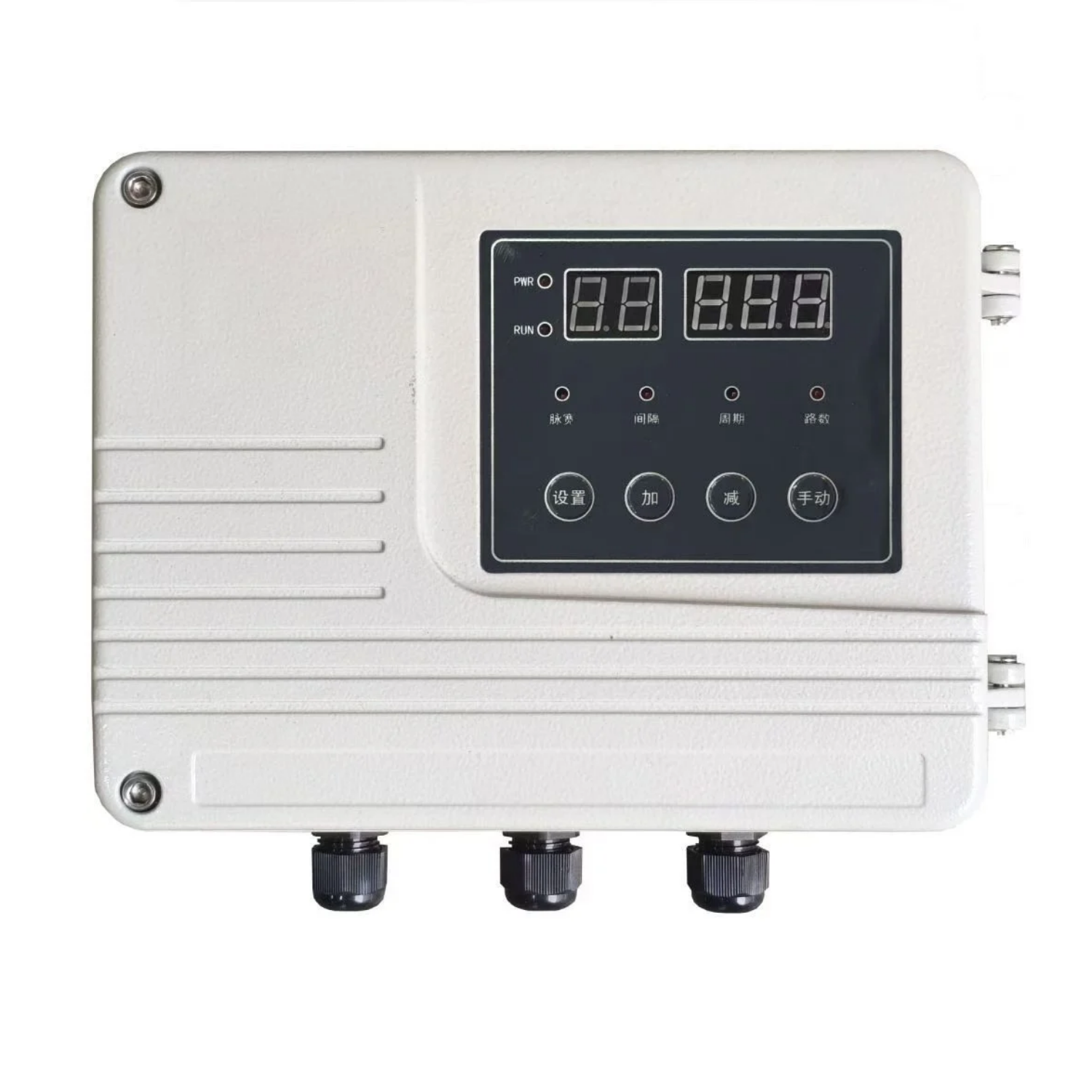
1、Pulse Controller — Controls the pulse cleaning sequence and pulse duration.
2、Differential Pressure Controller — Controls on-demand filter cleaning according to filter differential pressure.
3、Air Filter / Regulator — Filters the compressed air and regulates the air supply pressure.
4、Air Reservoir / Air Tank — Stores and supplies the compressed air required for pulse cleaning.
5、Dust-Cleaning Nozzles — Help distribute and direct the compressed-air pulse toward the filter cartridges or filter bags for effective cleaning.

Related products

Our bulkhead fittings provide a secure and reliable connection between…
Compared to plastic-encased timing pulse controllers, metal timing pulse controllers…
Right-Angle Pulse Solenoid Valve features a 90° inlet and outlet…

Contact Us

Our friendly customer service team is here to help with quotations, technical consulting and custom manufacturing enquiries. 

Tel

+86 183 3655 6608

Email

info@symfilter.com

Address

38 Xihong Road, Xinwu District, Wuxi City, Jiangsu Province, China

Leave a Message

Our friendly customer service team is here to help with quotations, technical consulting and custom manufacturing enquiries. We reply within 24 hours.